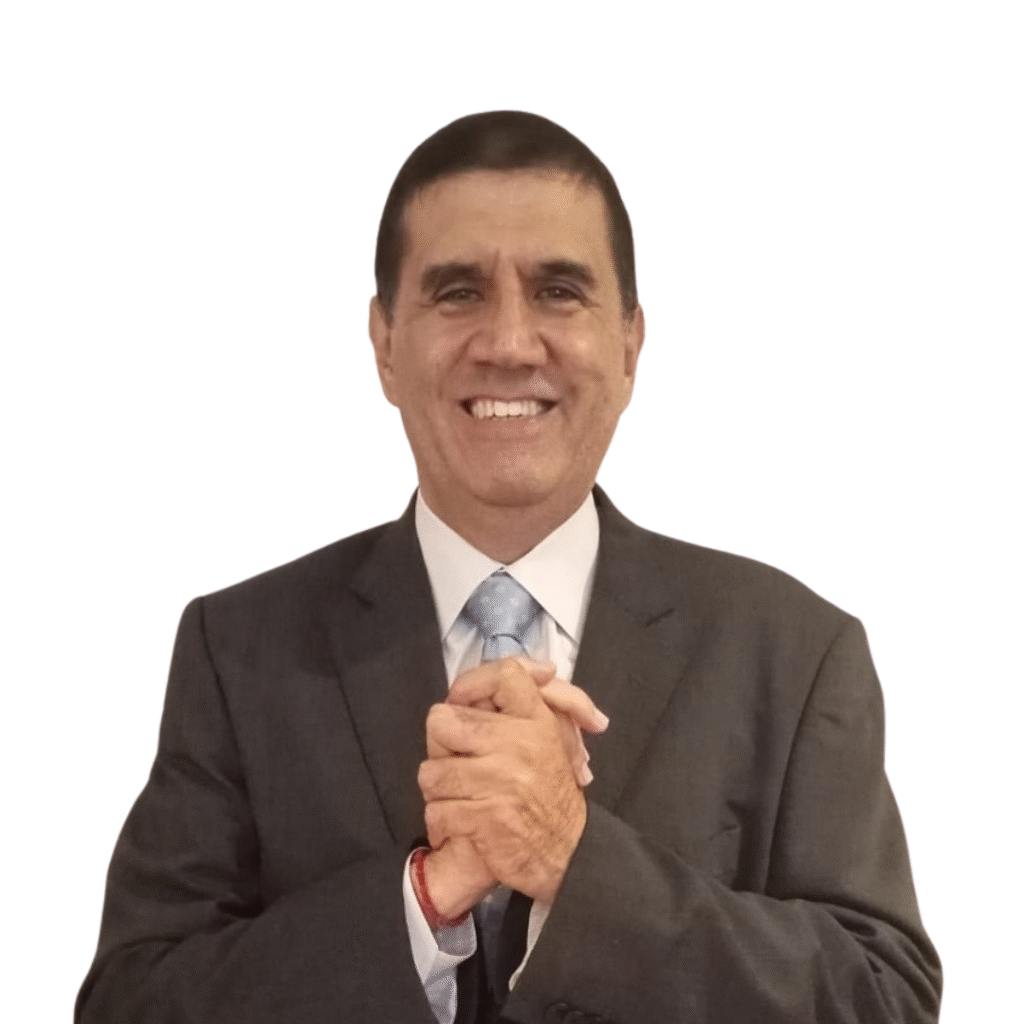
Childhood is a territory full of emotional landscapes, where every unattended cry or unexpected shout draws invisible paths in our minds. Clinical psychologist Bertha Gálvez states that “many of our fears are formed between the ages of zero and three, when we still can’t rationalize them.” Those early imprints reappear as shadows whenever we feel exposed or vulnerable in the present. Recognizing that these sensations stem from old wounds is the first step in restoring their true meaning: signals for care, not condemnation.
Bertha shared how, in her own childhood, shyness kept her from approaching the front door of her house. “I preferred the back door,” she said with a smile, “because I knew the maid would answer, not the authority figure who intimidated me.” Years later, she understood that this behavior was a learned defense, an attempt to preserve her inner sense of safety. That revelation prompted her to reconcile with her inner child, allowing herself to tremble without shame.
To restore the tenderness we may never have received, Bertha suggests a small symbolic ritual. Find or imagine a doll that represents your eight- or nine-year-old self. Examine it with the same delicacy you would offer to a defenseless creature and whisper softly: “You were valuable, you deserved love and protection.” Beyond the metaphor, this gesture reprograms the heart to receive the affection we once lacked.
Identifying fears requires fine-tuning your inner listening. Observe your body each time anxiety takes over: the tight chest, the twisted stomach, the trembling hands. These physiological signs are messengers, indicating the exact place where old memories are still active. In the silence before sleep, allow yourself to review the day and note those sensations; that journaling practice becomes the lantern that illuminates the map of your fear.
Once we recognize these triggers, we can begin to dismantle the beliefs that feed them. Inspired by Byron Katie, Bertha adapts four powerful questions:
- What thought is worrying me? Clearly identify the internal phrase: “I’m not capable,” “They’ll reject me.”
- Am I absolutely sure it’s true? Look for concrete evidence, not assumptions.
- How do I feel when I believe that thought? Record the emotion and physical response.
- Who am I beyond that fear? Connect with your essence: creative, resilient, curious.
This kind of questioning not only reveals the falsehood behind many fears, but also opens the door to greater emotional balance.
Returning to the past also means exploring family roots. Bertha recalls her mother’s insistence on her studying business administration, and how one day her mentor, Dr. Carvajal, asked her, “Why don’t you study psychology? You already know everything.” That question sparked a brave decision: at the age of 40, she returned to university to train as a psychologist. This anecdote illustrates the power of a timely external push at a personal turning point.
Healing takes shape when we combine introspection with concrete habits that create new neural pathways. Here are some of the daily practices Bertha recommends:
- Trigger journal: Each night, briefly write down the situation that caused fear, the associated thought, and where you felt it in your body.
- Releasing affirmation: Create a phrase like “This thought does not define my reality” and repeat it quietly when you notice your inner saboteur.
- Conscious micro-breathing: Three times a day, take thirty seconds to inhale for a count of four, hold for two, and exhale for six; focus on your abdomen expanding.
- Muscle tension and relaxation: Before a challenge, tense all muscle groups for ten seconds, then release them suddenly while exhaling.
- Morning gratitude ritual: Upon waking, write down three things you are grateful for, from the smallest (a ray of sunlight) to a recent personal achievement.
Each practice, no matter how small, strengthens inner confidence and builds an “emotional cushion” that softens life’s ups and downs.
To maintain progress, Bertha suggests setting aside a short review time every Friday:
- Weekly review: Spend ten minutes rereading your trigger journal and celebrate the times you responded with calm. Note a small adjustment or goal for the following week.
This habit of personal accountability ensures the process doesn’t remain just an intention and helps healing translate into new behaviors.
Recognizing that many of our fears stem from transgenerational patterns is also essential. Talking with an elder family member and asking, “How did you handle that kind of anxiety?” can deactivate the power of inherited beliefs and allow you to consciously decide whether to keep or release them.
Inner healing is not a linear path. There will be setbacks, moments of nostalgia for the wounded child. However, every time you choose to apply a tool—conscious breathing, an affirmation, or a moment of gratitude—you strengthen new neural connections that support emotional regulation and transform old fears into steps toward growth.
A complementary resource is the Serenity Prayer:
God, grant me the serenity to accept the things I cannot change, the courage to change the things I can, and the wisdom to know the difference.
Adopting this mantra at the start of the day helps you focus your energy on what truly lies within your control and releases the tension created by unproductive complaining.
Healing the inner child is an act of deep courage and self-love. With each gesture of self-awareness and compassion, you create a new narrative: you are the woman who embraces her scars and turns them into springboards toward a freer, more authentic, and possibility-filled life.
To continue exploring these tools and support your healing process, watch the full episode with psychologist Bertha Gálvez on our YouTube channel: https://youtu.be/hhp7TQJq1vI